
Anúncios
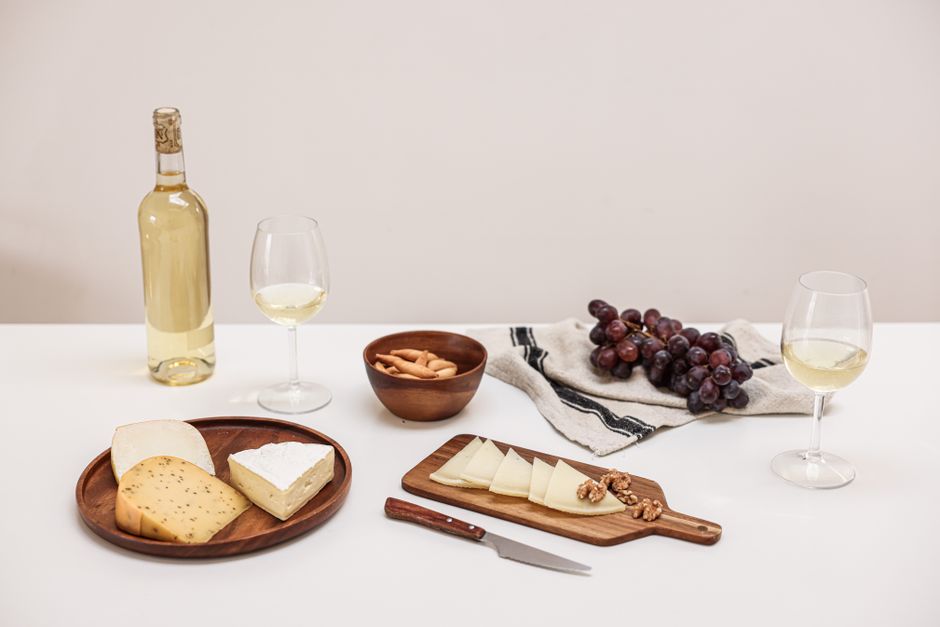
Wine and food pairing is an art form that transforms ordinary meals into extraordinary experiences. When done right, the combination elevates both elements, creating harmonious flavors that dance on your palate.
Whether you’re planning an intimate dinner, celebrating a special occasion, or simply enjoying a quiet evening at home, understanding how to match wine with food opens up a world of culinary possibilities. The right pairing can enhance subtle flavors, balance richness, and create memorable dining moments that linger long after the last sip.
Anúncios
🍷 The Fundamental Principles of Wine and Food Pairing
Before diving into specific matches, understanding the basic principles of pairing will help you make confident choices. These foundational concepts apply whether you’re selecting a bottle for a casual weeknight dinner or an elaborate multi-course feast.
The most important principle is balance. Neither the wine nor the food should overpower the other. A delicate fish dish paired with a bold, tannic red wine will result in the fish being completely overwhelmed, while a robust beef stew with a light white wine leaves the wine lost in the background.
Anúncios
Weight and Intensity Matching
Consider the weight of both your dish and your wine. Light-bodied wines complement lighter foods, while full-bodied wines stand up to heartier fare. A crisp Sauvignon Blanc works beautifully with a simple salad, while a powerful Cabernet Sauvignon pairs perfectly with a grilled ribeye steak.
Intensity goes hand-in-hand with weight. Subtly flavored dishes require wines with delicate flavor profiles, whereas boldly seasoned foods can handle wines with more pronounced characteristics. This principle prevents either element from dominating the pairing.
Complementary and Contrasting Approaches
You can pair wine and food by either complementing similar flavors or contrasting opposing ones. Complementary pairings work by echoing flavors – a buttery Chardonnay with a creamy pasta dish, for example. The wine’s richness mirrors the food’s texture, creating a cohesive experience.
Contrasting pairings create balance through opposition. A sweet Riesling with spicy Thai cuisine works because the wine’s sweetness cools the heat, while a high-acid Champagne cuts through the richness of fried foods, cleansing your palate between bites.
White Wines: Versatile Partners for Countless Dishes
White wines offer incredible diversity, from bone-dry and crisp to rich and sweet. Their versatility makes them suitable companions for everything from delicate seafood to creamy poultry dishes and even certain meat preparations.
Sauvignon Blanc: The Zesty Refresher
Sauvignon Blanc’s bright acidity and herbaceous notes make it an excellent choice for lighter fare. This wine shines with goat cheese salads, fresh oysters, grilled asparagus, and herb-crusted fish. Its citrusy character also pairs wonderfully with dishes featuring lemon, lime, or vinaigrette dressings.
For mood pairing, reach for Sauvignon Blanc during summer gatherings, outdoor brunches, or when you’re craving something light and refreshing. Its crisp profile awakens the palate and complements warm-weather dining beautifully.
Chardonnay: From Lean to Luxurious
Chardonnay’s remarkable range makes it one of the most food-friendly white wines. Unoaked versions deliver crisp apple and mineral notes that pair excellently with sushi, scallops, and grilled chicken. Oak-aged Chardonnays, with their buttery richness and vanilla undertones, complement lobster with drawn butter, chicken Alfredo, and dishes with cream-based sauces.
Choose lighter Chardonnays for casual lunches or weeknight dinners, while reserving richer, barrel-fermented versions for special occasions that call for more indulgent fare.
Riesling: The Sweet Solution to Spicy Situations
Riesling ranges from bone-dry to lusciously sweet, but its defining characteristic is brilliant acidity. This wine excels with Asian cuisines, particularly spicy dishes from Thai, Indian, or Szechuan cooking. The residual sugar balances heat while the acidity refreshes your palate.
Off-dry Rieslings also pair beautifully with pork dishes, particularly those with fruit-based sauces. Think pork chops with apple compote or glazed ham with pineapple. The wine’s fruitiness echoes these flavor profiles perfectly.
🍇 Red Wines: Bold Companions for Hearty Fare
Red wines bring structure, tannins, and complexity to the pairing equation. Their diverse profiles accommodate everything from casual burgers to elegant game dishes, making them essential in any wine enthusiast’s repertoire.
Pinot Noir: The Elegant Middle Ground
Pinot Noir occupies a sweet spot in red wine territory – substantial enough for meat dishes yet light enough to avoid overwhelming delicate preparations. Its silky texture, bright acidity, and red fruit flavors make it incredibly versatile.
This wine excels with duck, salmon, mushroom-based dishes, and roasted chicken. The earthy undertones in many Pinot Noirs create natural bridges to dishes featuring truffles, wild mushrooms, or herbs like thyme and rosemary.
Mood-wise, Pinot Noir suits romantic dinners, autumn evenings by the fireplace, and sophisticated gatherings where you want to impress without overwhelming guests who might prefer lighter reds.
Cabernet Sauvignon: The Power Player
Cabernet Sauvignon stands as the quintessential bold red wine. Its firm tannins, full body, and dark fruit flavors demand equally robust foods. Prime rib, grilled steaks, braised short ribs, and aged hard cheeses all shine alongside Cabernet.
The wine’s structure cuts through the fat in rich meats, while its tannins soften when paired with protein. This creates a symbiotic relationship where both wine and food improve each other. Cabernet also complements dishes with black pepper, dark chocolate, or coffee rubs.
Merlot: The Crowd-Pleaser
Merlot’s softer tannins and approachable fruit-forward profile make it an excellent choice for casual gatherings and everyday meals. It pairs beautifully with roasted vegetables, lamb, beef stew, and tomato-based pasta sauces.
The wine’s plummy character and medium body make it suitable for those transitional seasons when you want something more substantial than white wine but not as heavy as Cabernet. Pizza night, casual barbecues, and family dinners all benefit from Merlot’s easy-going nature.
Sparkling Wines: Celebration in Every Glass 🥂
Sparkling wines deserve recognition beyond special occasions. Their high acidity and effervescence make them remarkably food-friendly, capable of pairing with a broader range of dishes than many still wines.
Champagne and other sparkling wines excel with fried foods – the bubbles and acidity cut through greasiness like nothing else. French fries, fried chicken, tempura, and fish and chips all become elevated experiences when paired with bubbly.
Brunch dishes love sparkling wine. Eggs Benedict, smoked salmon, pastries, and fruit-based dishes all complement the bright, celebratory nature of bubbles. The wine’s versatility extends to salty snacks like potato chips, popcorn, and oysters.
Prosecco and Cava: Affordable Everyday Sparklers
You don’t need to splurge on Champagne to enjoy sparkling wine with meals. Prosecco’s gentle sweetness pairs wonderfully with spicy Asian dishes, while Cava’s drier profile complements Spanish tapas, olives, and cured meats.
These wines suit casual moods – lazy Sunday brunches, impromptu gatherings, or when you want to make an ordinary Tuesday feel special without breaking the bank.
Rosé: The Ultimate Warm-Weather Companion
Rosé wines bridge the gap between red and white, offering versatility that suits diverse cuisines and occasions. Their refreshing character and beautiful color bring both flavor and visual appeal to the table.
Dry Provence-style rosés pair excellently with Mediterranean cuisine – grilled vegetables, seafood, salads with vinaigrette, and light pasta dishes. Their delicate berry flavors and crisp finish complement without competing with subtle seasonings.
Fuller-bodied rosés handle more robust fare, including grilled chicken, pork chops, and even burgers. The slight fruit sweetness in some rosés makes them excellent partners for dishes with mild spice or fruit-based glazes.
Mood-wise, rosé epitomizes summer relaxation, poolside dining, and outdoor entertaining. Its approachable nature makes it perfect for guests with varying wine preferences.
Dessert Wines: Sweet Endings Done Right 🍰
The cardinal rule for dessert wine pairing is simple: the wine should be sweeter than the dessert. Otherwise, the wine tastes tart and unpleasant in comparison.
Port and Chocolate Harmony
Ruby Port’s rich, sweet character creates magical combinations with chocolate desserts. Dark chocolate truffles, chocolate cake, and brownies all benefit from Port’s complementary sweetness and berry notes. Tawny Port, with its nutty oxidative character, pairs beautifully with caramel and nut-based desserts.
Late Harvest Wines and Fruit Desserts
Late harvest Rieslings and Sauternes excel with fruit tarts, crème brûlée, and blue cheese. These wines’ concentrated sweetness and acidity balance rich, creamy desserts while complementing fruit-forward preparations.
These pairings suit special occasions, holiday meals, and moments when you want to create lasting impressions. The complexity of fine dessert wines turns the final course into a memorable experience.
Regional Pairing Philosophy: What Grows Together Goes Together 🌍
Traditional wine regions developed their cuisines alongside their viticulture, creating natural harmonies. Italian Chianti with tomato-based pasta, French Burgundy with coq au vin, and Spanish Rioja with tapas represent centuries of culinary evolution.
This principle offers a reliable shortcut when pairing. Cooking Italian? Look to Italian wines. Preparing French cuisine? Explore French regions. These combinations have stood the test of time because they work.
The regional approach also extends to New World wines. California Zinfandel pairs wonderfully with barbecue, while Argentine Malbec complements grilled meats in the tradition of South American asados.
Mood-Based Pairing Strategies
Beyond the food itself, consider the occasion and emotional tone you want to create. Wine selections influence atmosphere as much as they complement flavors.
Romantic Evenings
For intimate dinners, choose wines that feel special without being pretentious. Elegant Pinot Noir, refined Champagne, or a beautiful aged Bordeaux sets the tone. Avoid overly tannic or aggressive wines that might dominate conversation or require extensive contemplation.
Casual Gatherings
Parties and informal get-togethers benefit from approachable, easy-drinking wines. Prosecco, light-bodied rosés, and fruit-forward reds like Beaujolais keep things fun and accessible. These wines suit conversation and don’t demand focused attention.
Contemplative Solo Dining
When dining alone or with close companions, experiment with complex, thought-provoking wines. This is your opportunity to explore challenging pairings, unusual varieties, or aged bottles that reward careful consideration.
Common Pairing Challenges and Solutions
Some foods present particular pairing difficulties, but solutions exist for even the trickiest situations.
Spicy Foods
Heat intensifies the perception of alcohol and tannins, making high-alcohol reds problematic with spicy dishes. Opt for off-dry whites like Riesling or Gewürztraminer, or light-bodied reds served slightly chilled. The residual sugar and lower alcohol content prevent the burning sensation from intensifying.
Vinegar-Based Dishes
Salad dressings and pickled vegetables present challenges because their acidity can clash with wine. Choose wines with high natural acidity themselves – Champagne, Sauvignon Blanc, or crisp Italian whites. The wine’s acidity matches the food’s, preventing sour conflicts.
Chocolate
Dry red wines and chocolate rarely work well together because chocolate’s fat content makes tannic wines taste bitter. Sweet fortified wines like Port, Banyuls, or sweet sparkling wines create harmonious pairings instead.

Building Your Pairing Confidence
The journey to mastering wine and food pairing is ongoing and deeply personal. Your palate, preferences, and experiences shape what works for you. Guidelines provide frameworks, but experimentation reveals personal truths.
Start by exploring classic pairings to understand why they work, then venture into creative territory. Keep notes on what you enjoy, and don’t fear unconventional combinations. Some of the most memorable pairings come from unexpected matches.
Consider joining wine clubs, attending tastings, or participating in pairing dinners to expand your knowledge. Each experience builds your internal database of flavors, textures, and successful combinations.
Remember that wine pairing enhances meals but shouldn’t create anxiety. The best pairing is ultimately the one you enjoy. Trust your instincts, embrace curiosity, and let each meal become an opportunity for delicious discovery. Whether you’re opening a simple table wine for a weeknight dinner or selecting a prestigious bottle for a milestone celebration, the principles remain the same: balance, harmony, and the joy of bringing great flavors together. 🍷✨
