
Anúncios
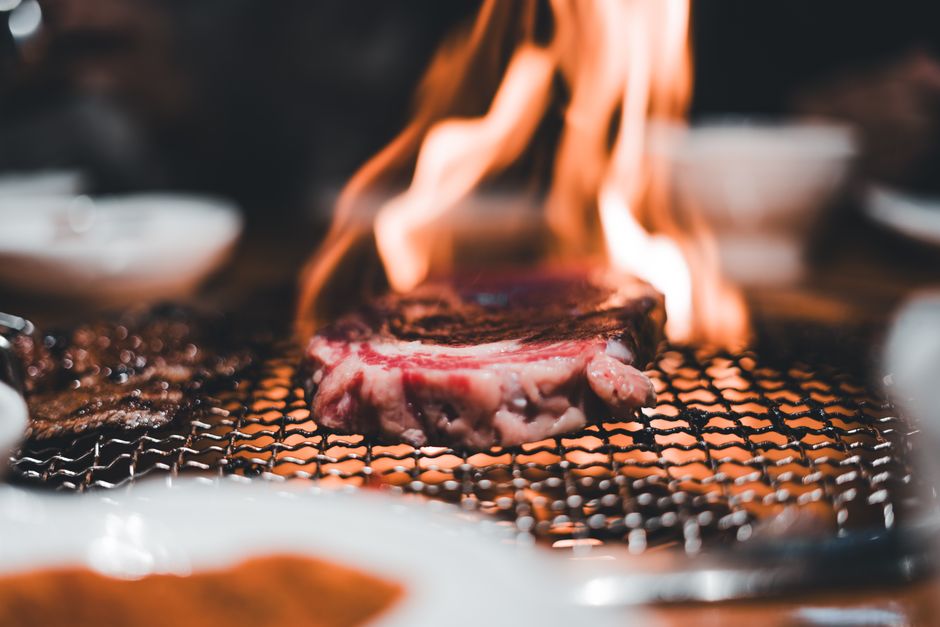
There’s something primal and deeply satisfying about the combination of a perfectly grilled steak and a bold red wine. This timeless pairing elevates outdoor cooking into an art form that engages all the senses.
The tradition of pairing red wine with grilled meats goes back centuries, rooted in the fundamental understanding that robust wines complement the rich, smoky flavors of charred beef, lamb, and game. When fire meets meat, complex chemical reactions create new flavors and textures that demand equally complex wines. The char, the caramelization, the rendered fat—all these elements interact beautifully with the tannins, acidity, and fruit characteristics found in bold red wines.
Anúncios
🍷 Why Bold Reds and Grilled Meats Are a Match Made in Heaven
The science behind this classic pairing is as fascinating as it is delicious. When meat is exposed to high heat, the Maillard reaction occurs, creating hundreds of new flavor compounds that give grilled steaks their distinctive taste and aroma. These savory, umami-rich flavors need a wine with enough structure and intensity to stand up to them without being overwhelmed.
Bold red wines typically feature high tannin content, which comes from grape skins, seeds, and sometimes oak barrel aging. These tannins interact with the proteins and fats in meat, creating a cleansing effect on the palate that makes each bite feel fresh and exciting. The tannins essentially “cut through” the richness of the meat, preventing palate fatigue and enhancing both the wine and the food.
Anúncios
Additionally, the char marks on grilled meats introduce bitter and smoky notes that harmonize beautifully with the similar characteristics found in many full-bodied reds, particularly those aged in oak barrels. This flavor synergy creates a dining experience where the whole is greater than the sum of its parts.
The Essential Red Wine Varieties for Grilling Season
Not all red wines are created equal when it comes to pairing with grilled meats. Certain varieties have proven themselves time and again as the perfect companions to steaks, chops, and other charred delights. Understanding these key players will transform your backyard barbecue into a gourmet experience.
Cabernet Sauvignon: The King of Steak Wines
Cabernet Sauvignon reigns supreme in the world of steak pairings, and for good reason. This noble grape produces wines with powerful tannins, full body, and flavors of black currant, cedar, tobacco, and dark chocolate. These characteristics make it the ideal partner for ribeye, New York strip, and porterhouse steaks.
The high tannin content in Cabernet Sauvignon is perfectly suited to cutting through the marbling and fat content in premium beef cuts. California Cabernets tend to be fruit-forward with a touch of eucalyptus, while Bordeaux blends offer more earthy, mineral qualities. Both styles work wonderfully with grilled beef, though the choice often comes down to personal preference and the specific preparation of the meat.
Malbec: Argentina’s Gift to Grill Masters
Malbec has experienced a renaissance in recent decades, particularly from Argentina’s Mendoza region. This variety produces wines with softer tannins than Cabernet Sauvignon but with equally bold fruit flavors—think blackberry, plum, and black cherry. The wines often have a subtle smokiness that mirrors the char on grilled meats.
Malbec pairs exceptionally well with grass-fed beef and leaner cuts like sirloin or flank steak. The wine’s velvety texture complements the meat without overwhelming it, while its moderate acidity helps balance richer preparations or heavily seasoned dishes. Argentine Malbec also works beautifully with grilled lamb and venison.
Syrah and Shiraz: Peppery Perfection
Whether you call it Syrah or Shiraz depends largely on geography, but both names refer to the same grape variety. French Syrah from the Rhône Valley tends to be more elegant and peppery, while Australian Shiraz is typically bolder and fruitier. Both styles offer fantastic pairing opportunities for grilled meats.
The characteristic black pepper and olive notes in Syrah make it a natural companion for seasoned steaks, especially those rubbed with peppercorns or herbs. The wine’s firm tannins and often smoky character complement charred meats beautifully, while its acidity keeps the palate refreshed between bites.
Zinfandel: Bold, Jammy, and Unapologetically American
California Zinfandel offers a distinctly different profile—higher alcohol content, jammy fruit flavors, and often a touch of sweetness. These wines work particularly well with barbecued meats slathered in sweet or tangy sauces. The fruit-forward nature of Zinfandel can stand up to bold barbecue flavors without competing.
Choose Zinfandel when grilling with marinades containing brown sugar, molasses, or fruit components. The wine’s own fruity sweetness creates a harmonious bridge between the meat and the sauce, making it ideal for ribs, brisket, and other slow-cooked, heavily seasoned preparations.
🥩 Matching Wine Intensity to Meat Preparation
The way you prepare your meat should influence your wine selection just as much as the cut itself. Different cooking methods and seasonings call for different wine characteristics to achieve the perfect balance.
Simply Seasoned Steaks
When you’re letting the quality of the meat shine with just salt, pepper, and perhaps a pat of butter, you want a wine with enough complexity to add interest without overpowering the beef’s natural flavors. A well-structured Cabernet Sauvignon from Napa Valley or a Bordeaux blend from Saint-Émilion would be excellent choices.
The wine becomes a seasoning element itself, its layers of flavor complementing the pure taste of perfectly grilled beef. Look for wines with good acidity to refresh the palate and tannins to interact with the meat’s proteins and fats.
Heavily Seasoned and Spice-Rubbed Meats
When you’ve coated your steak in a peppercorn crust, chimichurri, or a complex spice rub, you need a wine that can hold its own against these bold flavors. Spicy, peppery Syrah or a robust Malbec fits the bill perfectly. The wine should match the intensity of the seasonings rather than compete with them.
Consider the specific spices you’re using. For smoky paprika rubs, choose wines with smoky notes from oak aging. For herbal preparations, select wines with green olive or herb characteristics. This thoughtful matching creates layers of complementary flavors.
Barbecue Sauce and Glazed Preparations
Sweet, tangy barbecue sauces require wines with enough fruit character and body to stand up to their bold flavors. Zinfandel is the classic choice, but fruit-forward Australian Shiraz or even a Petite Sirah can work beautifully. The key is finding a wine that won’t taste thin or overly tannic against the sweetness of the sauce.
Avoid extremely dry, austere wines with heavily sauced meats—the combination can create unpleasant bitter or metallic notes. Instead, embrace wines with ripe fruit and perhaps a touch of residual sugar or glycerin that provides a smooth, round mouthfeel.
Understanding Cuts: Which Wine for Which Steak
Different cuts of beef have varying fat content, texture, and flavor intensity, all of which should influence your wine selection. Mastering these pairings will elevate your grilling game significantly.
Ribeye: The Marbled Marvel
Ribeye steaks are prized for their extensive marbling and rich, beefy flavor. This high fat content demands a wine with substantial tannins to cut through the richness. Full-bodied Cabernet Sauvignon is the classic choice, but don’t overlook Bordeaux blends or Super Tuscans that combine Sangiovese with Cabernet.
The wine’s tannins bind with the proteins and fats, cleansing your palate and making each bite taste as exciting as the first. Look for wines with at least medium-plus body and firm structure.
Filet Mignon: Tender Elegance
Filet mignon is prized for its tenderness rather than intense flavor, as it’s a leaner cut with less marbling. This means you can choose slightly more elegant wines without worrying about being overwhelmed by fat. A refined Pinot Noir from Burgundy or California might work, though many prefer to stick with medium-bodied reds like Merlot or Malbec.
The goal is to complement rather than overpower the delicate texture and subtle flavor of the filet. Wines with silky tannins and elegant fruit work best.
New York Strip and Sirloin: The Balanced Choice
These cuts offer a middle ground between the richness of ribeye and the leanness of filet. They’re versatile enough to pair with a wide range of bold reds. Cabernet Sauvignon remains an excellent choice, but so are Tempranillo, Nebbiolo, or blended reds from various regions.
Match the wine’s intensity to your preparation method—simpler preparations call for more nuanced wines, while heavily seasoned versions can handle bolder bottles.
Beyond Beef: Bold Reds with Lamb, Pork, and Game
While beef often dominates grilling conversations, other meats also benefit from thoughtful wine pairings. Expanding your repertoire opens up exciting new flavor combinations.
Grilled Lamb Chops and Leg
Lamb’s distinctive flavor pairs beautifully with earthy, herbal red wines. French Bordeaux, particularly from the Right Bank, offers the perfect complement. The wine’s earthy notes echo the gamey qualities in lamb, while its structure stands up to the meat’s richness. Rhône Valley reds, especially those with Grenache and Syrah blends, also work wonderfully.
Don’t shy away from wines with pronounced herbal characteristics—rosemary, thyme, and mint notes in the wine can mirror traditional lamb seasonings beautifully.
Pork Chops and Tenderloin
Grilled pork occupies an interesting middle ground—richer than chicken but leaner than beef. Medium to full-bodied reds work best, particularly those with good acidity. Zinfandel is excellent with barbecued pork, while Pinot Noir can work with simply prepared chops. For pork with fruit-based preparations, consider wines from cooler climates with bright acidity.
Venison and Wild Game
Game meats call for wines with earthy, complex characteristics. Look to aged Barolos, Burgundies, or Northern Rhône reds. These wines have the complexity and structure to complement the intense flavors of wild game without overwhelming them. The earthiness in these wines mirrors the gamey qualities in the meat, creating a harmonious pairing.
🌡️ Temperature and Serving Considerations
Even the perfect wine pairing can fall flat if the wine isn’t served at the proper temperature. Bold red wines are often served too warm, which emphasizes alcohol and makes tannins taste harsh. Aim for 60-65°F (15-18°C) for most full-bodied reds—cooler than room temperature but warmer than a refrigerator.
Consider the outdoor temperature when grilling. On hot summer days, don’t hesitate to chill your reds slightly more than usual. A wine served too warm will taste flabby and alcoholic, especially alongside rich grilled meats.
Decanting is another important consideration. Many bold, young red wines benefit from exposure to oxygen, which softens tannins and opens up aromatics. Decant Cabernet Sauvignon, young Bordeaux, or powerful Syrahs for 30-60 minutes before serving. Older wines may need less time, as they’re already developed.
Building Your Grilling Season Wine Collection
You don’t need a massive budget to enjoy excellent wine pairings with grilled meats. Many outstanding values exist across all the varieties mentioned. Focus on building a diverse collection that covers different styles and price points.
For everyday grilling, stock up on reliable bottles in the $15-25 range. California Cabernet Sauvignon, Argentine Malbec, and Chilean Carmenere offer excellent quality at accessible prices. Reserve splurges for special occasions—a $50-100 bottle can make a birthday or anniversary grilling event truly memorable.
Consider buying wine by the case, which often comes with a discount. Choose a mix of varieties so you’re prepared for whatever you decide to throw on the grill. Having the right wine on hand removes the stress of last-minute shopping and allows you to focus on the cooking.
Regional Pairing Traditions Worth Exploring
Different cultures have developed their own traditions of pairing local wines with grilled meats. Exploring these regional combinations can open up new appreciation for both wine and food.
In Argentina, the asado (barbecue) tradition pairs beautifully with local Malbec—the country’s signature wine and signature cooking method evolved together. In Italy, Tuscan bistecca alla fiorentina finds its perfect match in Brunello di Montalcino or Chianti Classico Riserva. These regional pairings developed over centuries for good reason—the local terroir influences both the livestock and the grapes.
Australia’s love affair with grilling (they call it “barbie”) pairs naturally with bold Shiraz from Barossa Valley or McLaren Vale. The fruit-forward, powerful style of Australian red wine stands up brilliantly to the country’s grilling traditions.
Creating the Complete Grilling Experience 🔥
The perfect pairing extends beyond just the wine and meat. Consider the complete sensory experience—the aroma of smoke, the visual appeal of wine in the glass catching the light, the sound of meat sizzling on the grill, and the convivial atmosphere of outdoor dining.
Serve wines in appropriate glassware even for outdoor events. Proper wine glasses concentrate aromatics and enhance the tasting experience. Bring out your good glasses—the pairing deserves proper presentation.
Think about side dishes and how they interact with your wine choice. Creamy, rich sides like potato gratin or mac and cheese call for wines with good acidity. Grilled vegetables can echo herbal notes in the wine. Careful consideration of the complete meal creates harmony across all elements.
Experimenting and Developing Your Own Palate
While guidelines and classic pairings provide an excellent starting point, developing your own preferences is part of the joy of wine and food pairing. Don’t be afraid to experiment and try combinations that sound interesting to you.
Host pairing parties where you grill the same cut of meat and taste it with several different wines. This side-by-side comparison quickly reveals which wines work best for your palate. Take notes on what you discover—your personal tasting journal becomes an invaluable reference for future grilling sessions.
Remember that there are no absolute rules, only guidelines. If you prefer a particular wine with a specific preparation, that’s the right pairing for you. Trust your palate and enjoy the journey of discovery.

The Final Sear: Bringing It All Together
The art of pairing bold red wines with grilled meats combines science, tradition, and personal preference into an endlessly rewarding pursuit. Understanding the fundamental principles—matching intensity, considering tannin structure, and accounting for preparation methods—provides a foundation for successful pairings.
Start with classic combinations like Cabernet Sauvignon with ribeye or Malbec with grilled lamb, then branch out as your confidence and experience grow. Pay attention to the specific characteristics of both the wine and the meat, considering factors like fat content, seasoning, cooking method, and sauce.
Most importantly, approach these pairings with curiosity and enthusiasm rather than rigid rules. The best pairing is ultimately the one you enjoy most, shared with good company around a warm grill on a beautiful evening. Whether you’re a wine novice or a seasoned enthusiast, there’s always something new to discover in the magnificent combination of bold reds and perfectly grilled meats.
So fire up that grill, uncork something bold and beautiful, and savor the timeless pleasure of one of gastronomy’s greatest partnerships. Your perfect pairing awaits. 🍷🥩
