
Anúncios
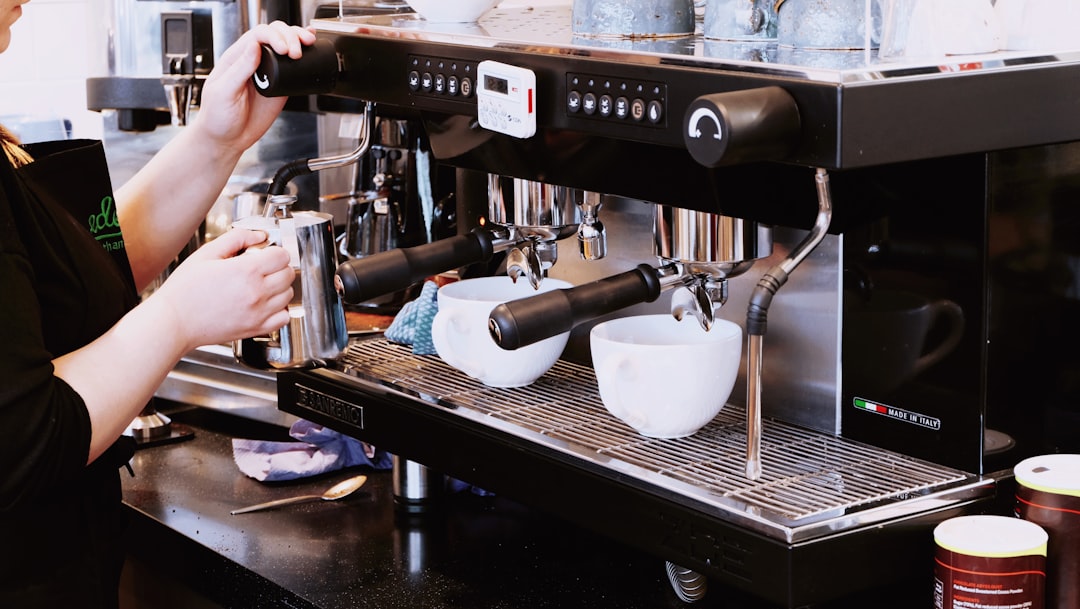
The quest for the perfect espresso shot has driven coffee enthusiasts to transform their kitchens into miniature cafés, complete with professional-grade equipment that rivals what you’d find behind your favorite coffee bar.
What was once exclusively the domain of trained baristas has now become accessible to home users willing to invest in premium espresso machines. This shift has created an exciting marketplace where high-end manufacturers compete to deliver café-quality extraction, microfoam perfection, and temperature stability that would make any professional nod in approval. The difference between a disappointing cup and transcendent coffee often comes down to the machine’s ability to maintain precise brewing parameters—pressure, temperature, and flow rate—throughout the extraction process.
Anúncios
☕ Understanding What Makes an Espresso Machine Truly High-End
Not all espresso machines are created equal, and the gap between entry-level and high-end equipment is measured in both dollars and performance capabilities. Premium machines distinguish themselves through several critical engineering features that directly impact shot quality.
Temperature stability stands as perhaps the most crucial factor. High-end machines employ PID controllers, dual boilers, or sophisticated heat exchangers that maintain water temperature within one or two degrees Fahrenheit throughout extraction. This consistency ensures proper extraction of coffee oils and prevents the bitter or sour notes that result from temperature fluctuations.
Anúncios
Pressure profiling capabilities have become increasingly important among serious home baristas. The ability to manipulate pressure during different extraction phases allows users to customize shots based on bean origin, roast level, and personal preference. Some machines offer pre-programmed profiles, while others provide manual control via levers or digital interfaces.
Build Quality and Component Selection
Premium espresso machines feature commercial-grade components designed for longevity and performance. E61 group heads, rotary pumps, copper or brass boilers, and stainless steel construction aren’t just about aesthetics—they fundamentally affect thermal mass, pressure consistency, and the machine’s ability to handle back-to-back shot production without performance degradation.
The portafilter and basket quality also separate contenders from pretenders. Commercial-sized 58mm portafilters with precision baskets allow for proper dose distribution and even extraction. Cheaper machines often use proprietary or smaller baskets that limit your ability to dial in truly exceptional shots.
🏆 The Contenders: Machines That Define the Category
Several manufacturers have established themselves as the standard-bearers for home espresso excellence. Each brings unique strengths to the competition, catering to different priorities and brewing philosophies.
La Marzocco Linea Mini: The Professional Pedigree
When a commercial espresso machine manufacturer creates a home model, expectations run high. The Linea Mini delivers on that promise with dual boilers, integrated scales, and the same brew group found in cafés worldwide. Its commercial heritage means exceptional temperature stability and the ability to brew and steam simultaneously without compromise.
The machine’s aesthetic appeals to those who want an authentic café centerpiece in their kitchen. However, this pedigree comes with a substantial price tag that places it among the most expensive home options available. For serious enthusiasts who view espresso as a daily ritual worth significant investment, the Linea Mini represents the gold standard.
Decent Espresso: The Innovator’s Choice
Taking a radically different approach, Decent Espresso machines incorporate tablet control, wireless connectivity, and unprecedented shot profiling capabilities. These machines appeal to data-driven coffee enthusiasts who want to document, analyze, and replicate every variable in their espresso workflow.
The ability to create and share pressure profiles has spawned an online community of users constantly pushing extraction boundaries. Real-time flow rate monitoring, temperature graphing, and shot replay functionality transform espresso-making into a precise, repeatable science. This approach may overwhelm traditionalists but delights tinkerers who view each shot as an experiment.
Rocket Espresso R58: Italian Craftsmanship Meets Modern Engineering
Rocket’s flagship home machine combines classic Italian styling with dual boilers, PID temperature control, and E61 group head technology. The R58 appeals to users who want modern performance wrapped in traditional aesthetics that evoke espresso’s Italian heritage.
Available in multiple variations including the Cinquantotto model with advanced features, the R58 line offers flexibility for different user needs. The machines are known for reliability and the ability to produce consistently excellent shots once properly dialed in. Build quality matches or exceeds commercial standards, ensuring these machines can become lifetime companions for dedicated coffee lovers.
Profitec Pro 700: German Engineering Excellence
Profitec approaches espresso machine design with characteristic German attention to engineering precision. The Pro 700 features dual boilers with independent PID controllers, allowing separate optimization of brewing and steaming temperatures—a subtle but important capability for fine-tuning performance.
The machine’s eco mode and shot timer add convenience without compromising traditional espresso-making fundamentals. Profitec’s reputation for exceptional customer service and parts availability makes the Pro 700 particularly appealing to buyers concerned about long-term support and maintenance.
🎯 Matching Machine Capabilities to Your Coffee Goals
Selecting the right high-end espresso machine requires honest assessment of your coffee consumption patterns, skill level, and what aspects of the espresso-making process you find most satisfying.
Daily workflow matters more than many buyers initially realize. If you typically make multiple milk drinks for family members each morning, simultaneous brew and steam capability becomes essential. Single boiler machines, regardless of quality, create bottlenecks that transform morning coffee into a time-consuming process.
The Learning Curve Consideration
Premium machines assume user skill and willingness to learn proper technique. Unlike super-automatic machines that handle grinding, dosing, tamping, and milk frothing automatically, these high-end manual and semi-automatic machines require you to master each step. This hands-on involvement represents either an exciting challenge or a frustrating obstacle depending on your perspective.
Consider whether you’re drawn to the process itself or simply want excellent results with minimal fuss. Machines like the Decent appeal to process-focused enthusiasts who enjoy optimization and experimentation. More traditional options suit those who want to perfect classic technique without digital intervention.
Space and Aesthetic Integration
These machines command significant counter space—typically 12-16 inches wide and 15-18 inches deep, with heights approaching 18 inches when the drip tray is installed. Beyond physical dimensions, their visual presence transforms kitchen aesthetics. Some models embrace commercial stainless steel appearance, while others offer colored panels or polished copper accents.
Plumbing represents another consideration. While all high-end machines function with reservoir filling, many offer optional direct plumb-in capability for users who want to eliminate refilling and integrate the machine permanently into their kitchen layout.
💰 Understanding the Investment Beyond Purchase Price
The machine itself represents only part of the total investment required for café-quality home espresso. Supporting equipment and ongoing costs deserve consideration during the decision-making process.
A premium grinder is non-negotiable. Espresso demands consistency that blade grinders and entry-level burr grinders cannot provide. Budget at least $500-800 for a grinder capable of supporting your espresso machine’s potential. Many experienced baristas argue the grinder matters more than the machine—a somewhat controversial position but one worth considering.
The Essential Accessories Ecosystem
Proper espresso workflow requires tools that add up quickly: a calibrated tamper matching your basket size, distribution tools or WDT needles for breaking up clumps, a quality milk pitcher for steaming, scales accurate to 0.1 grams, and a knock box for spent pucks. These accessories can easily add $200-400 to your initial setup cost.
Water quality dramatically affects both shot quality and machine longevity. Many enthusiasts install dedicated filtration systems or create custom brewing water using mineral additions. At minimum, plan to use filtered water rather than straight tap water to protect your investment and optimize extraction.
🔧 Maintenance Realities for Long-Term Ownership
Premium espresso machines require regular maintenance to sustain peak performance. Daily backflushing with water, weekly detergent backflushing, and periodic descaling keep the brew path clean and prevent buildup that affects taste and machine health.
Group head gaskets, shower screens, and portafilter baskets need replacement over time. Most manufacturers design their machines for user-serviceable maintenance, with replacement parts readily available. However, more complex repairs may require professional servicing, which can be challenging if you lack local technicians familiar with your specific model.
Some machines require more involved maintenance than others. E61 group heads need periodic lubrication and cam replacement. Lever machines have additional mechanical components requiring attention. Research typical maintenance requirements for models you’re considering and honestly assess whether you’re comfortable performing these tasks.
📊 Comparing Key Specifications Across Top Models
| Model | Boiler Configuration | Pressure Profiling | PID Control | Price Range |
|---|---|---|---|---|
| La Marzocco Linea Mini | Dual Boiler | Limited | Yes | $5,000-$6,000 |
| Decent Espresso DE1+ | Single with advanced control | Fully programmable | Yes | $3,500-$4,500 |
| Rocket R58 | Dual Boiler | No | Yes | $3,200-$3,800 |
| Profitec Pro 700 | Dual Boiler | No | Dual PID | $2,800-$3,400 |
| Lelit Bianca | Dual Boiler | Manual paddle | Yes | $2,400-$2,900 |
⚡ The Energy Consumption Factor
High-end espresso machines consume considerable electricity maintaining boiler temperature. Typical dual boiler machines draw 1400-1900 watts during heating and maintain temperature with periodic cycling. Over a month of daily use, this can add $15-30 to your electricity bill depending on local rates and usage patterns.
Many modern machines include programmable timers or eco modes that reduce power consumption during idle periods. Some users connect their machines to smart plugs, programming them to reach operating temperature just before morning use. This approach balances convenience with energy efficiency, though it means the machine won’t be ready for spontaneous afternoon espresso without advance planning.
🌟 When to Choose Manual Lever Machines
Lever machines represent an alternative approach to high-end espresso that appeals to purists seeking maximum connection with the brewing process. Models like the Flair 58 or La Pavoni Europiccola eliminate pumps and electronics, relying on user-applied pressure to force water through coffee.
These machines demand greater skill but reward mastery with exceptional shot quality and the satisfaction of complete manual control. The tactile feedback from a lever pull provides information about extraction that electronic machines abstract away. However, consistency requires practice, and the physical effort involved makes producing multiple drinks more demanding.
Lever machines suit single-drink households or individuals who view espresso preparation as a meditative ritual rather than morning fuel production. Their typically lower prices and minimal maintenance requirements offer compelling advantages for users aligned with their brewing philosophy.
🎓 The Community and Learning Resources
Investing in high-end espresso equipment connects you to a vibrant community of enthusiasts sharing techniques, troubleshooting challenges, and celebrating exceptional shots. Online forums, YouTube channels, and social media groups provide invaluable resources for maximizing your machine’s potential.
Channels like James Hoffmann, Whole Latte Love, and Lance Hedrick offer detailed tutorials covering everything from basic technique to advanced troubleshooting. The Home-Barista forum has accumulated decades of collective wisdom, with threads documenting virtually every machine quirk and modification imaginable.
Many owners find that the learning process itself provides as much satisfaction as the resulting coffee. The journey from inconsistent, channeled shots to perfectly balanced espresso with tiger striping and persistent crema represents a skill development arc that keeps enthusiasts engaged for years.
🚀 Making Your Final Decision
After researching specifications, reading reviews, and watching countless comparison videos, the decision ultimately comes down to personal priorities and which compromises you’re willing to accept. No machine excels in every category—each represents engineering trade-offs that favor certain characteristics over others.
Consider creating a prioritized list of features that matter most to your specific situation:
- Shot quality and consistency above all else
- Milk steaming power and simultaneous brewing capability
- Pressure profiling and experimentation features
- Traditional aesthetics versus modern design
- Ease of maintenance and local service availability
- Brand reputation and resale value
- Budget constraints including supporting equipment
If possible, visit a showroom or specialty coffee retailer where you can see machines operating and potentially pull shots on different models. The experience of using the interface, feeling the portafilter weight, and observing the extraction process provides insights that specifications alone cannot convey.

🏁 Your Personal Coffee Journey Awaits
The world of high-end home espresso equipment offers extraordinary opportunities to craft café-quality shots without leaving your kitchen. Whether you choose the professional pedigree of La Marzocco, the innovation of Decent, the Italian craftsmanship of Rocket, or the engineering precision of Profitec, you’re joining a community of passionate coffee enthusiasts dedicated to the pursuit of espresso excellence.
Remember that the machine represents just one component in a system that includes quality beans, proper grinding, good technique, and most importantly, your willingness to learn and experiment. The journey from initial frustration to consistent extraction mastery takes time, but each improvement brings you closer to that perfect shot that justifies the entire investment.
Start by identifying what aspects of coffee culture resonate most strongly with you, set a realistic budget that includes supporting equipment, and choose a machine that aligns with your brewing philosophy. The battle of the baristas is ultimately won not by the most expensive or feature-laden machine, but by the one that inspires you to develop your skills and truly enjoy the daily ritual of crafting exceptional espresso at home. ☕
