
Anúncios
Transforming your dining room into an exclusive restaurant experience is more than possible—it’s a delightful journey that begins with intention and ends with unforgettable memories. Fine dining at home offers intimacy, creativity, and luxury without the reservations or dress codes.
The art of creating restaurant-quality experiences within your own four walls has become increasingly popular, especially as people discover the joy of curating personalized culinary moments. Whether celebrating an anniversary, impressing guests, or simply treating yourself, elevating your evening dining transforms ordinary nights into extraordinary occasions that rival the finest establishments.
Anúncios
🍽️ Setting the Foundation: Ambiance and Atmosphere
The foundation of any luxurious dining experience begins long before the first course arrives. Ambiance creates the emotional landscape that makes fine dining memorable, engaging all the senses in a carefully orchestrated symphony of comfort and elegance.
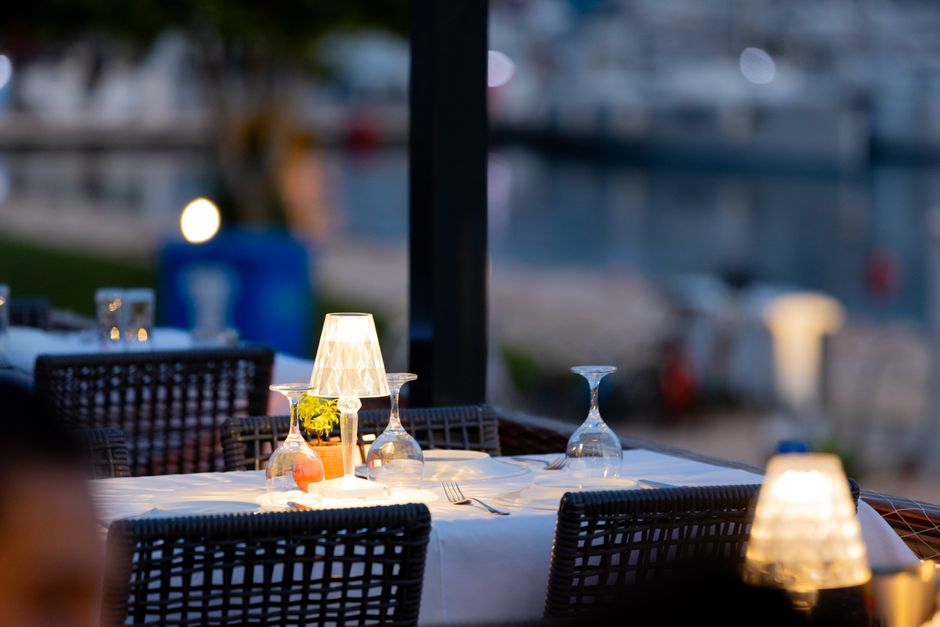
Lighting sets the mood more powerfully than any other single element. Dimmed overhead lights paired with candles create warmth and intimacy that instantly elevates the atmosphere. Consider investing in quality candles with subtle fragrances—sandalwood, vanilla, or fig—that complement rather than overpower your cuisine. Table lamps with warm bulbs positioned strategically around the dining area add depth and sophistication.
Anúncios
Music selection deserves thoughtful consideration. Classical compositions, smooth jazz, or acoustic arrangements provide elegant background accompaniment without demanding attention. The volume should allow conversation to flow naturally while filling silence with refined sound. Create themed playlists that match your menu’s cultural inspiration—French bistro jazz for a Parisian-inspired evening or Italian opera for a Tuscan feast.
The Table as Your Canvas
Table presentation transforms a meal into theater. Begin with quality linens—a pressed tablecloth in neutral tones or sophisticated colors creates the perfect backdrop. Layering charger plates beneath your dinner plates adds dimension and luxury, while cloth napkins folded artfully at each setting demonstrate attention to detail.
Glassware arrangement follows fine dining protocol: water glasses positioned above the knife, wine glasses to the right in order of use. Crystal or quality glass catches candlelight beautifully, adding sparkle to your tablescape. Fresh flowers arranged simply in low vases maintain elegance without obstructing conversation across the table.
🥘 Menu Planning: Crafting Your Culinary Journey
Exceptional fine dining follows a progression that builds flavors, textures, and satisfaction throughout multiple courses. Planning your menu requires balancing ambition with capability, ensuring each dish showcases quality ingredients and thoughtful preparation.
The classic fine dining structure typically includes five to seven courses: amuse-bouche, appetizer, soup or salad, fish course, main course, palate cleanser, and dessert. For home entertaining, a three to five course menu often provides the perfect balance between impressive and manageable.
Seasonal Ingredient Selection
Building your menu around seasonal ingredients ensures peak flavor and freshness. Spring menus might feature asparagus, peas, and lamb, while autumn celebrations showcase mushrooms, squash, and game meats. Shopping at farmers markets or specialty grocers connects you with the highest quality ingredients that professional chefs prioritize.
Consider dietary restrictions and preferences when planning, but maintain your creative vision. Vegetarian fine dining has evolved dramatically, offering sophisticated options that celebrate vegetables as starring ingredients rather than afterthoughts. Each course should complement rather than compete with others, building a cohesive flavor narrative.
🍷 The Art of Wine Pairing
Wine pairing elevates fine dining from excellent to extraordinary, creating harmonious flavor combinations that enhance both food and beverage. Understanding basic pairing principles empowers you to make confident selections that impress and delight.
The fundamental rule of complementing or contrasting flavors guides successful pairings. Rich, fatty dishes pair beautifully with wines possessing good acidity to cut through richness—think buttery Chardonnay with lobster or crisp Sauvignon Blanc with goat cheese. Tannin-rich red wines complement protein-heavy dishes, with Cabernet Sauvignon enhancing perfectly grilled steaks.
- Champagne or sparkling wine opens the evening with celebratory elegance
- Light white wines accompany appetizers and seafood courses
- Fuller-bodied whites or light reds transition to main courses
- Bold red wines pair with rich meats and intense flavors
- Dessert wines or Port conclude the meal with sweet sophistication
Temperature and Service Matters
Proper wine service demonstrates refinement and enhances enjoyment. White wines shine when served chilled between 45-50°F, while red wines open up at slightly cooler than room temperature, around 60-65°F. Decanting red wines thirty minutes to an hour before serving allows them to breathe, softening tannins and releasing aromatics.
Invest in quality wine glasses designed for specific varietals if possible. The bowl shape directs wine to appropriate areas of the palate, maximizing flavor perception. Pour wine to approximately one-third full, allowing proper aeration and room for swirling to release bouquet.
👨🍳 Preparation and Timing: The Professional Approach
Professional kitchens succeed through meticulous preparation known as mise en place—everything in its place. Adopting this approach at home reduces stress and ensures smooth service throughout your dining experience.
Begin preparation days in advance with shopping and menu finalization. Two days before, prepare any components that improve with time—stocks, sauces, marinades, and certain desserts. The day before, complete maximum advance preparation: chopping vegetables, preparing garnishes, setting the table completely, and organizing serving pieces.
On dining day, create a detailed timeline working backwards from your desired serving time. Professional chefs time each component precisely, ensuring everything reaches the table at optimal temperature and texture. Write down specific times for starting each element, accounting for resting periods for meats and final plating minutes.
Kitchen Organization Strategies
Clear, organized workspace prevents chaos during service. Clean as you progress, maintaining clear countertops and organized ingredients. Prepare all garnishes in advance, storing them properly until plating. Have serving vessels warming or chilling as appropriate, with all utensils and tools positioned for easy access.
Consider enlisting help for complex menus. A trusted partner can assist with plating, refilling wine glasses, or clearing courses, allowing you to focus on final preparations and presentation. Clear communication about timing and expectations ensures seamless coordination.
🎨 Plating Techniques: Presenting Edible Art
Visual presentation transforms delicious food into memorable fine dining. Professional plating techniques create restaurant-worthy presentations that honor your culinary efforts and excite diners before the first bite.
The canvas—your plate—should be spotlessly clean with no smudges or drips around edges. White plates remain the standard for showcasing food, though dark plates can create dramatic presentations for lighter-colored dishes. Plate size matters; avoid overcrowding, but ensure the plate doesn’t dwarf the portion, leaving excessive empty space.
Composition follows artistic principles of balance, color, and height. Position the protein as the focal point, typically in the lower center of the plate. Build height by stacking or leaning components against each other. Create color contrast with vibrant vegetables, herbs, or sauces that make the plate visually dynamic.
Sauce Application Techniques
Sauce placement requires precision and restraint. Professional techniques include swooshes created by dragging the back of a spoon across the plate, dots carefully placed with squeeze bottles, or elegant pools positioned beneath proteins. Avoid drowning food in sauce; instead, use it as both flavor component and artistic element.
Garnish purposefully with edible elements that complement the dish. Microgreens, herb leaves, edible flowers, or citrus zest add final touches that communicate attention to detail. Every element on the plate should serve a purpose—decorative garnishes that aren’t meant to be eaten belong in a different era of dining.
🕯️ Service Excellence: The Host as Sommelier and Server
Service quality distinguishes fine dining from casual meals. As host, you orchestrate the evening’s flow, balancing attentiveness with allowing guests to relax and enjoy each other’s company.
Pace courses appropriately, typically allowing fifteen to twenty minutes between them. This timing permits proper digestion, conversation, and anticipation for the next course. Clear plates promptly once all guests finish, but never rush diners who are still enjoying their food or wine.
Describe each course as you present it, briefly explaining key ingredients, preparation techniques, or inspiration. This narration creates connection between diner and food, enhancing appreciation without lengthy monologues. Answer questions enthusiastically, sharing your culinary journey and creative decisions.
Graceful Problem Management
Even professional kitchens encounter challenges. When issues arise—overcooked components, delayed timing, or unexpected results—address them gracefully. Honesty and humor often transform potential disasters into memorable moments. Have backup plans for critical components, and remember that attitude matters more than perfection.
Remain present but not hovering. Check in periodically to refill wine, remove empty plates, or ensure comfort, but allow guests privacy for conversation. Reading the room—understanding when to engage and when to step back—demonstrates sophisticated hospitality.
🍮 The Grand Finale: Dessert and After-Dinner Service
Dessert provides the lasting impression that guests carry from your table. This final course should feel both satisfying and lighter after multiple savory courses, cleansing the palate while delivering sweetness and visual beauty.
Consider offering a pre-dessert palate cleanser—a small sorbet, granita, or fruit preparation that refreshes between savory and sweet courses. This professional touch demonstrates sophistication while preparing taste buds for the final course.
Dessert plating follows the same artistic principles as savory courses, with additional opportunity for creativity. Dusted cocoa powder, intricate chocolate work, fruit coulis designs, or delicate tuile cookies add elegance. Temperature contrasts—warm cake with cold ice cream—create textural excitement.
Coffee and Digestifs
Conclude the evening with quality coffee or tea service accompanied by petit fours or chocolates. Offering digestifs—cognac, grappa, port, or liqueurs—provides traditional closure while encouraging lingering conversation. Present options on a tray, allowing guests to select according to preference.
This final service phase should feel relaxed, transitioning from formal dining to comfortable conversation. Lighting can brighten slightly, music volume may decrease, and the atmosphere shifts toward intimacy and reflection on the shared experience.
💡 Essential Equipment for Home Fine Dining
While elaborate equipment isn’t mandatory, certain investments elevate your capability to execute restaurant-quality cuisine and presentation consistently.
| Category | Essential Items | Investment Priority |
|---|---|---|
| Cookware | Quality sauté pans, heavy-bottom pots, cast iron skillet | High |
| Knives | Chef’s knife, paring knife, serrated bread knife | High |
| Plating | White dinner plates, various serving vessels, squeeze bottles | Medium |
| Table Service | Quality linens, wine glasses, charger plates, candlesticks | Medium |
| Specialty Tools | Microplane, mandoline, kitchen torch, thermometer | Low-Medium |
Prioritize quality over quantity. A few excellent pieces used skillfully outperform numerous mediocre items. Build your collection gradually, investing in versatile items that serve multiple purposes before acquiring specialized equipment.
🌟 Creating Theme Nights for Memorable Experiences
Themed fine dining evenings add creative direction and storytelling to your culinary experiences. Regional cuisine explorations, seasonal celebrations, or ingredient-focused menus provide frameworks that guide decisions while inspiring creativity.
French cuisine themes might feature classic techniques—coq au vin, bouillabaisse, or beef bourguignon—paired with Bordeaux wines and Edith Piaf melodies. Japanese-inspired evenings could showcase kaiseki progression, featuring delicate presentations, umami-rich flavors, and sake pairings. Italian regional exploration might journey through Tuscany, Sicily, or Emilia-Romagna with courses representing each area’s signature dishes.
Seasonal themes celebrate ingredients at peak freshness. Spring celebrations might highlight asparagus, artichokes, and lamb with lighter preparations and bright flavors. Autumn gatherings embrace hearty ingredients—mushrooms, game, root vegetables—with richer sauces and fuller wines. Winter holidays call for luxurious ingredients like truffles, caviar, or prime beef with corresponding opulence in presentation and service.
🎭 Building Confidence Through Practice
Creating exceptional fine dining experiences at home requires practice, experimentation, and learning from each attempt. Begin with simpler menus, mastering techniques and timing before attempting elaborate multi-course extravaganzas.
Host practice dinners for understanding friends or family, explicitly framing the evening as experimental. This approach removes pressure while providing valuable feedback and experience with service flow. Document what works and what needs adjustment, refining your approach with each iteration.
Take inspiration from restaurants, cookbooks, and culinary media, but adapt rather than copy directly. Your home fine dining should reflect your personality, preferences, and creative vision. The most memorable evenings come from authentic expression rather than perfect imitation of professional establishments.

✨ The Lasting Impact of Shared Luxury
Fine dining at home creates connections and memories that extend far beyond the meal itself. The effort invested in creating beautiful, delicious experiences communicates care and celebration in tangible, sensory ways that guests remember long after the evening concludes.
These curated moments offer alternatives to increasingly commercialized dining experiences. Your home provides intimacy, personalization, and comfort that restaurants cannot replicate. Conversations deepen without time pressure, music and lighting adjust to your preferences, and the entire evening unfolds according to your vision.
The skills developed through creating fine dining experiences—planning, preparation, presentation, and hospitality—enrich everyday cooking and entertaining. Techniques learned for special occasions elevate routine meals, bringing mindfulness and artistry to daily nourishment. The confidence gained from successfully executing complex menus empowers culinary exploration and creative expression.
Beginning your journey toward luxurious home dining requires simply deciding that ordinary evenings deserve extraordinary treatment. With thoughtful planning, quality ingredients, attention to ambiance, and genuine hospitality, your dining room transforms into a destination as memorable as any acclaimed restaurant. The magic lies not in perfection, but in the love, creativity, and intention you bring to the table, making every gathering a celebration worth savoring.
