
Anúncios
Champagne is more than just a celebratory drink—it’s an experience that elevates any occasion, from intimate dinners to grand festivities. The art of pairing this luxurious sparkling wine with the right foods can transform your meal into an unforgettable culinary journey.
Whether you’re hosting a wedding reception, enjoying a quiet anniversary dinner, or simply treating yourself to a midweek indulgence, understanding how to match champagne with various dishes will enhance both the wine and the food. This comprehensive guide will walk you through everything you need to know about champagne pairings, ensuring every bubble counts toward creating memorable moments.
Anúncios
Understanding Champagne: The Foundation of Perfect Pairings 🥂
Before diving into specific pairings, it’s essential to understand what makes champagne unique. This French sparkling wine from the Champagne region possesses distinct characteristics that influence how it interacts with food. The high acidity, effervescence, and complex flavor profiles create opportunities for both complementary and contrasting pairings.
Champagne comes in several styles, each offering different pairing possibilities. Brut Nature and Extra Brut are bone-dry with crisp acidity, making them ideal for savory dishes. Brut, the most common style, offers versatility across a wide range of foods. Demi-sec and doux styles provide sweetness that pairs beautifully with desserts and spicy cuisines.
Anúncios
The Three Primary Champagne Grape Varieties
Chardonnay brings elegance, finesse, and citrus notes to champagne, creating what’s known as Blanc de Blancs. These wines pair exceptionally well with delicate seafood and light appetizers. Pinot Noir contributes body, structure, and red fruit flavors, adding depth to champagne blends. Pinot Meunier rounds out the blend with fruity, approachable characteristics that soften the wine’s profile.
Understanding these grape varieties helps you select the right champagne for your specific dish. A Blanc de Blancs works wonderfully with oysters and sushi, while a Pinot Noir-dominated champagne can stand up to richer foods like roasted poultry or creamy sauces.
Classic Champagne Pairings That Never Disappoint
Some food and champagne combinations have stood the test of time for good reason. These classic pairings create harmonious flavor experiences that highlight the best qualities of both the wine and the food.
Seafood and Shellfish: A Match Made in Heaven
Oysters and champagne represent perhaps the most iconic pairing in gastronomy. The briny, mineral quality of fresh oysters complements the crisp acidity and effervescence of champagne perfectly. The bubbles cleanse your palate between bites, while the wine’s complexity enhances the subtle flavors of the shellfish.
Lobster, scallops, and crab also pair beautifully with champagne, especially when prepared with butter or light cream sauces. The richness of the seafood balances the wine’s acidity, while the champagne cuts through the fat, creating a refined dining experience. Grilled prawns with herb butter, seared scallops with cauliflower purée, or a classic lobster thermidor all shine alongside a quality Blanc de Blancs.
Caviar and Champagne: Luxury Meets Elegance ✨
Few pairings epitomize luxury quite like caviar and champagne. The salty, umami-rich caviar finds its perfect counterpart in the crisp, clean flavors of champagne. The wine’s bubbles provide textural contrast to the caviar’s delicate eggs, while the acidity balances the richness.
For this pairing, opt for a vintage champagne with some age, which will have developed complex, yeasty notes that complement the caviar’s brininess. Serve the caviar simply—on blinis with crème fraîche or even on the back of your hand—to keep the focus on this extraordinary combination.
Champagne with Cheese: Breaking the Red Wine Rule
While red wine traditionally dominates cheese pairings, champagne offers surprising versatility with various cheese styles. The acidity and effervescence cut through creamy, fatty cheeses more effectively than many still wines, refreshing your palate with each sip.
Soft, creamy cheeses like brie, camembert, and triple-cream varieties pair exceptionally well with champagne. The wine’s bubbles and acidity slice through the rich, buttery texture, while complementary flavors enhance each other. Try a room-temperature brie with a crisp Brut for an elegant appetizer combination.
Hard and Aged Cheeses with Sparkling Wine
Aged cheeses like Parmigiano-Reggiano, aged Gouda, and Comté develop complex, nutty flavors that match beautifully with vintage champagne. The wine’s developed, toasty notes from aging on lees echo the caramelized, umami qualities in aged cheeses. This pairing works particularly well for pre-dinner nibbles or as part of a sophisticated cheese course.
Blue cheeses present a unique pairing opportunity. The saltiness and pungency of Roquefort or Gorgonzola find balance in a slightly sweeter demi-sec champagne. The sweetness tames the cheese’s intensity while the acidity provides necessary contrast.
Champagne and Main Courses: Beyond Appetizers 🍽️
Many people reserve champagne for celebrations and starters, but this versatile wine deserves a place at the table throughout your meal. Its acidity, effervescence, and range of styles make it suitable for various main courses.
Poultry and Champagne Pairings
Roasted chicken with herbs presents a classic pairing opportunity for champagne. The wine’s acidity cuts through the richness of the chicken skin while complementing the herbs and aromatics. A rosé champagne works particularly well here, as the Pinot Noir adds body that matches the chicken’s texture.
Turkey, whether for Thanksgiving or any special occasion, pairs wonderfully with champagne. The wine’s versatility allows it to work with various preparations and accompaniments. The bubbles refresh your palate between bites of rich stuffing and gravy, making champagne an excellent alternative to white wine for holiday meals.
Pork Dishes and Sparkling Wine
Pork’s mild flavor and slight sweetness create an excellent canvas for champagne pairings. Roasted pork loin with apple compote finds harmony with a Brut champagne, where the fruit notes in the wine echo the apple while the acidity balances the meat’s richness.
Bacon and champagne might sound unconventional, but they work beautifully together. The salty, smoky bacon is cut by the wine’s acidity and bubbles, creating a balanced bite. This pairing works whether you’re enjoying bacon as part of breakfast, in a BLT, or as a crispy garnish on other dishes.
Asian Cuisine and Champagne: An Unexpected Harmony
Asian flavors—from delicate sushi to spicy Thai curries—find surprising compatibility with champagne. The wine’s acidity and effervescence complement the complex flavor profiles typical of Asian cooking, from umami-rich soy sauce to bright citrus and fiery chilies.
Sushi and Sashimi Pairings
Fresh sushi and sashimi pair magnificently with Blanc de Blancs champagne. The wine’s mineral quality mirrors the ocean freshness of the fish, while its crisp acidity enhances the delicate flavors without overwhelming them. The effervescence cleanses your palate between different fish varieties, allowing you to appreciate each piece’s unique character.
For richer sushi rolls with cream cheese or tempura, consider a fuller-bodied champagne with more Pinot Noir in the blend. The additional structure stands up to the richer ingredients while maintaining the refreshing quality that makes champagne such an excellent sushi companion.
Spicy Asian Dishes and Demi-Sec Champagne
Spicy Thai, Szechuan, or Vietnamese dishes benefit from the slight sweetness of demi-sec champagne. The sugar content helps tame the heat from chilies, while the bubbles provide cooling refreshment. This combination works particularly well with dishes like Thai green curry, spicy pad thai, or Vietnamese lemongrass chicken.
Chinese dim sum offers diverse pairing opportunities. Steamed dumplings, spring rolls, and char siu bao all work well with champagne’s versatility. The wine’s acidity cuts through fatty elements while complementing the various seasonings and preparations typical of a dim sum spread.
Dessert and Champagne: Sweet Celebrations 🎂
While champagne works beautifully throughout a meal, its pairing potential truly shines with desserts. The key is matching the sweetness level of the wine to the dessert, ensuring neither overpowers the other.
Fruit-Based Desserts
Fresh fruit tarts, berry pavlovas, and lemon desserts pair wonderfully with Brut or Extra Brut champagne. The wine’s acidity complements the fruit’s natural tartness while the bubbles add a festive element. Strawberries and champagne remain a timeless combination—try macerated strawberries with a dollop of whipped cream alongside a crisp Brut for a simple yet elegant dessert.
Fruit sorbets and granitas also work excellently with drier champagne styles. The cleansing bubbles enhance the refreshing quality of frozen desserts, making this pairing perfect for summer celebrations or as a palate cleanser between courses.
Rich Desserts and Sweeter Champagne Styles
Chocolate desserts require careful consideration when pairing with champagne. Dark chocolate works best with rosé champagne, where the red fruit notes complement the chocolate’s complexity. Milk chocolate pairs well with demi-sec styles, which have enough sweetness to match without being cloying.
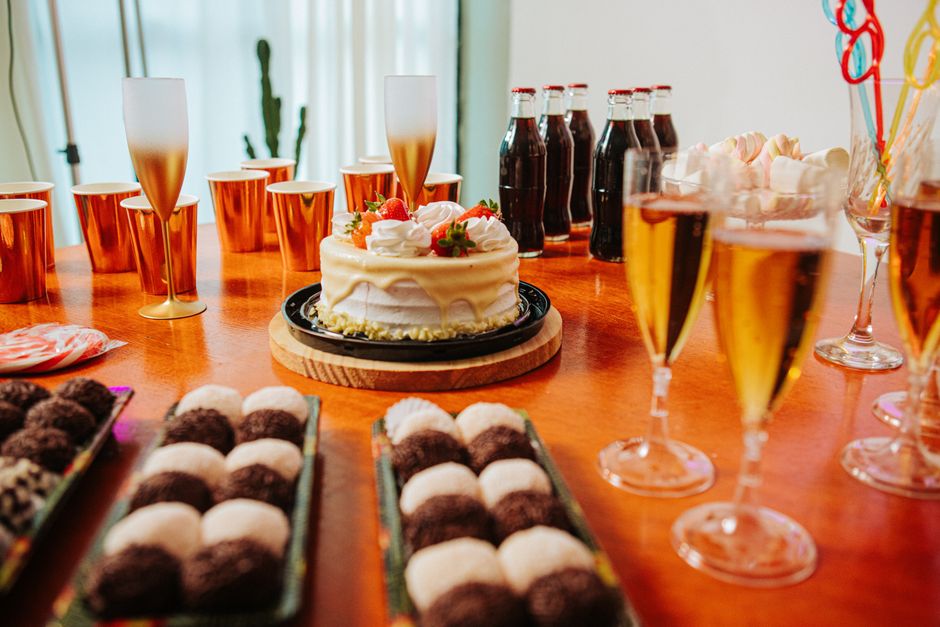
Wedding cake, vanilla custards, and cream-based desserts find their perfect match in demi-sec or doux champagne. The wine’s sweetness harmonizes with these desserts while the acidity prevents the pairing from becoming too heavy. This makes sweeter champagne styles ideal for toasting at weddings and anniversaries when cake is served.
Champagne for Breakfast and Brunch Celebrations ☀️
Champagne isn’t just for evening affairs—it brings elegance to morning and midday celebrations as well. Brunch parties, baby showers, and leisurely weekend breakfasts all benefit from champagne’s versatility.
The Classic Mimosa and Beyond
While mimosas remain a brunch staple, consider upgrading your morning bubbles by using quality champagne instead of prosecco. The superior champagne elevates the drink while complementing brunch favorites like eggs Benedict, smoked salmon bagels, and quiche.
Pastries and champagne create a luxurious breakfast pairing. Croissants, pain au chocolat, and fruit danishes all work beautifully with Brut champagne. The wine’s acidity cuts through the buttery pastry while its subtle yeast notes echo the bread’s fermentation flavors.
Seasonal Champagne Pairing Strategies
Adapting your champagne pairings to seasonal ingredients and celebrations ensures your sparklers always complement the occasion. Different times of year call for different approaches to food and wine matching.
Spring and Summer Pairings
Lighter fare dominates warm-weather dining, making it ideal champagne territory. Fresh salads with citrus vinaigrettes, grilled vegetables, and light seafood preparations all pair beautifully with crisp Blanc de Blancs. The wine’s refreshing quality mirrors the season’s brightness while complementing delicate spring vegetables like asparagus, peas, and artichokes.
Summer barbecues can also feature champagne, particularly rosé styles that stand up to grilled meats and smoky flavors. The wine’s acidity cuts through barbecue sauce while the bubbles refresh your palate in warm weather.
Fall and Winter Champagne Moments
Richer, heartier dishes during colder months call for fuller-bodied champagnes. Vintage champagne with developed, toasty notes pairs excellently with roasted root vegetables, mushroom dishes, and cream-based soups. The wine’s complexity matches the depth of autumn and winter cooking.
Holiday celebrations provide countless champagne pairing opportunities. From Thanksgiving turkey to Christmas roasts, champagne’s versatility makes it an excellent choice throughout festive meals. Its celebratory nature also makes it perfect for toasting special moments with family and friends.
Creating Your Own Champagne Pairing Adventures
Understanding general pairing principles allows you to experiment confidently with champagne and food combinations. Trust your palate and don’t be afraid to try unconventional pairings—some of the best discoveries come from creative experimentation.
When exploring new pairings, consider the weight of both the food and wine. Match delicate dishes with lighter champagne styles and richer foods with fuller-bodied options. Think about contrasting or complementing flavors—salty foods benefit from acidity, while sweet dishes need wines with matching sweetness levels.
Building a Champagne Pairing Party
Hosting a champagne tasting party with various food pairings offers a fun way to explore different combinations. Set up stations featuring various champagne styles alongside complementary foods. Include classic pairings like oysters and caviar, but also experiment with unexpected options like fried chicken or potato chips.
Provide tasting notes and encourage guests to share their observations. This interactive approach helps everyone develop their pairing preferences while creating memorable experiences. The social aspect of discovering pairings together adds another layer of enjoyment to champagne appreciation.

Elevating Every Celebration with Perfect Pairings 🎉
Champagne possesses a unique ability to transform ordinary moments into extraordinary celebrations. By understanding how different champagne styles interact with various foods, you can enhance both the wine and the meal, creating experiences that linger in memory long after the last bubble disappears.
From intimate dinners to grand festivities, the right champagne pairing elevates your celebration to new heights. The versatility of this magnificent sparkling wine means there’s always an appropriate match for whatever you’re serving, whether it’s delicate sashimi, rich chocolate dessert, or classic roasted chicken.
As you explore the world of champagne pairings, remember that the best combination is ultimately the one you enjoy most. Use these guidelines as a starting point, but trust your preferences and taste. Champagne’s greatest gift is its ability to bring joy to any occasion, and perfect pairings amplify that happiness, creating sparkling memories that last a lifetime.
