
Anúncios
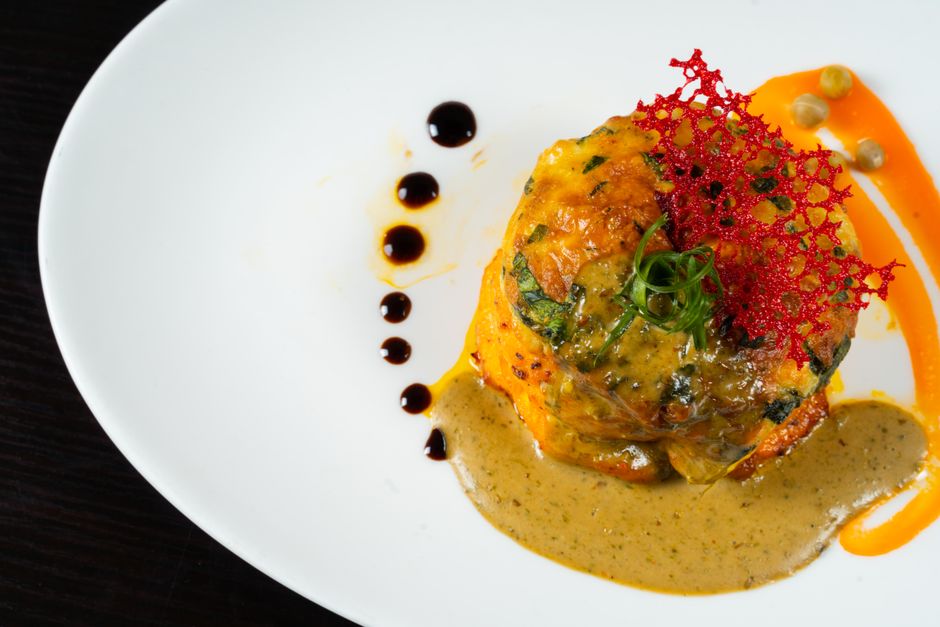
The world of Michelin-starred dining represents the pinnacle of culinary achievement, where artistry meets precision and tradition embraces innovation. These establishments are more than restaurants—they are temples of gastronomy where every detail is orchestrated to create unforgettable experiences.
From the bustling streets of Tokyo to the romantic avenues of Paris, Michelin-starred restaurants have redefined how we perceive food, service, and hospitality. They represent a commitment to excellence that transforms dining into an art form, captivating food enthusiasts and critics alike with their extraordinary dedication to perfection.
Anúncios
The Prestige Behind the Stars ⭐
The Michelin Guide, originally created in 1900 by the French tire company to encourage automobile travel, has evolved into the most prestigious culinary rating system worldwide. Receiving even one Michelin star can transform a chef’s career overnight, while earning three stars places an establishment among the world’s culinary elite.
Michelin inspectors evaluate restaurants based on five criteria: quality of ingredients, mastery of cooking techniques, harmony of flavors, expression of the chef’s personality, and consistency between visits. This rigorous assessment ensures that only the most exceptional establishments receive recognition.
Anúncios
The psychological and economic impact of Michelin stars cannot be overstated. Restaurants that earn these coveted accolades often see dramatic increases in reservations, sometimes booked months in advance. However, this recognition also brings immense pressure to maintain standards that justify the distinction.
Legendary Icons of French Gastronomy 🇫🇷
France remains the spiritual home of Michelin-starred dining, with establishments that have shaped global culinary culture for generations. These restaurants don’t simply serve food; they preserve and innovate centuries-old traditions.
L’Arpège: Vegetable Virtuosity
Chef Alain Passard’s L’Arpège in Paris revolutionized fine dining when he elevated vegetables to the starring role traditionally reserved for meat and seafood. His decision in 2001 to focus primarily on produce from his own organic gardens was considered radical, yet it cemented his status as a visionary.
The restaurant’s tasting menu changes daily based on the morning harvest, with dishes like baked beetroot in salt crust demonstrating how simple ingredients can achieve extraordinary complexity. Passard’s philosophy proves that sustainability and luxury can coexist harmoniously.
Paul Bocuse: The Enduring Legacy
Though Paul Bocuse passed away in 2018, his eponymous restaurant near Lyon has maintained its three Michelin stars since 1965—a record-breaking achievement. The establishment continues to serve his signature dishes, including the famous VGE black truffle soup created for French President Valéry Giscard d’Estaing.
L’Auberge du Pont de Collonges represents the bridge between classical French cuisine and modern innovation, honoring tradition while embracing contemporary techniques that keep the experience relevant for new generations of diners.
Japan’s Temple of Precision 🇯🇵
Tokyo boasts more Michelin stars than any other city globally, reflecting Japan’s obsessive dedication to craftsmanship and perfection. The Japanese approach to fine dining emphasizes seasonality, simplicity, and respect for ingredients in their purest forms.
Sukiyabashi Jiro: Sushi as Philosophy
Made famous by the documentary “Jiro Dreams of Sushi,” this ten-seat establishment run by Jiro Ono (now in his nineties) represents the ultimate expression of shokunin—the Japanese concept of artisanal mastery. Each piece of sushi is formed with precise pressure, temperature, and timing developed over decades.
The omakase experience at Sukiyabashi Jiro typically lasts just fifteen minutes, with approximately twenty pieces served in a carefully choreographed sequence. Despite its simplicity, or perhaps because of it, dining here represents a meditation on perfection.
Narisawa: Nature’s Harmony
Chef Yoshihiro Narisawa’s innovative approach, which he calls “innovative satoyama cuisine,” connects diners with Japan’s forests, fields, and waters. His dishes tell stories about the relationship between humans and nature, featuring ingredients like edible soil, charcoal, and sustainably sourced seafood.
The restaurant’s “Bread of the Forest” arrives at the table as flour and water, then rises before diners’ eyes in a hot stone bowl—a theatrical presentation that symbolizes growth and transformation. This innovative spirit has earned Narisawa consistent recognition among the world’s best restaurants.
Nordic Innovation and Foraging Revolution 🌲
The Nordic food movement has dramatically influenced contemporary fine dining, emphasizing local ingredients, foraging, and techniques like fermentation that connect modern cuisine to ancient preservation methods.
Noma: Redefining Regional Cuisine
Copenhagen’s Noma, led by Chef René Redzepi, has been named the world’s best restaurant multiple times. Its radical commitment to hyper-local ingredients—sourcing everything from within the Nordic region—challenged the assumption that fine dining required imported luxury products.
Noma’s menu features items most diners have never encountered: live shrimp still moving on the plate, fermented grasshoppers, and dishes incorporating moss, bark, and wild plants. This fearless experimentation has inspired a generation of chefs to explore their own regional terroirs more deeply.
After temporarily closing and relocating, Noma continues to evolve, recently announcing seasonal menus that completely transform the restaurant’s concept three times annually, focusing exclusively on vegetables, seafood, or game during different periods.
The American Interpretation 🇺🇸
American Michelin-starred restaurants blend diverse cultural influences, innovative techniques, and a spirit of reinvention that reflects the country’s multicultural identity.
The French Laundry: California Refinement
Chef Thomas Keller’s Yountville establishment represents American fine dining at its most accomplished. The French Laundry’s tasting menu, featuring nine courses of refined, precisely executed dishes, demonstrates technical mastery while celebrating California’s exceptional produce.
Keller’s famous “Oysters and Pearls”—a sabayon of pearl tapioca with Malpeque oysters and white sturgeon caviar—exemplifies his ability to create dishes that are simultaneously playful and sophisticated, luxurious yet approachable.
Eleven Madison Park: New York Elegance
Under Chef Daniel Humm’s leadership, Eleven Madison Park evolved from a contemporary American restaurant to a plant-based fine dining destination—a bold transformation announced in 2021. This decision to eliminate meat, seafood, and dairy while maintaining three Michelin stars challenged conventional wisdom about luxury dining.
The restaurant’s Art Deco dining room overlooking Madison Square Park provides an elegant backdrop for creative dishes that prove plant-based cuisine can achieve the complexity and sophistication traditionally associated with animal products.
The Experience Beyond the Plate 🍽️
Michelin-starred restaurants orchestrate every element to create holistic experiences where service, ambiance, tableware, and even acoustic design contribute to the overall impression.
Staff training at these establishments is extraordinarily rigorous, with servers possessing encyclopedic knowledge about ingredients, preparation methods, and wine pairings. The best restaurants anticipate needs before guests articulate them, creating seamless experiences that feel effortless despite requiring extensive coordination.
Table settings often feature custom-designed plates, glassware, and utensils created specifically for individual dishes. Some restaurants commission ceramicists, glassblowers, and metalworkers to produce unique pieces that enhance the visual presentation and tactile experience of each course.
The Cost of Perfection 💰
Dining at Michelin-starred restaurants represents a significant financial investment, with tasting menus often ranging from $200 to over $500 per person before wine pairings, taxes, and service charges.
These prices reflect the reality of operating at this level: premium ingredients sourced globally, highly trained kitchen staff, low guest-to-staff ratios, and the constant innovation required to maintain relevance. Many three-star establishments operate on surprisingly thin profit margins despite high prices, with some existing more as showcases for the chef’s talent than as profitable businesses.
For diners, the question isn’t merely whether the food justifies the cost, but whether the complete experience—the artistry, craftsmanship, hospitality, and memories created—represents value. For many, these meals become milestone celebrations, anniversary traditions, or once-in-a-lifetime culinary pilgrimages.
Sustainability and Ethical Considerations 🌱
The fine dining world increasingly grapples with sustainability questions, from ingredient sourcing to food waste, energy consumption, and social responsibility.
Leading restaurants have implemented comprehensive sustainability programs: composting systems, relationships with small-scale producers practicing regenerative agriculture, renewable energy sources, and creative approaches to utilizing every part of ingredients to minimize waste.
Chefs like Dan Barber of Blue Hill at Stone Barns have made sustainability central to their philosophy, operating working farms that supply their restaurants while educating guests about agricultural practices. Others, like Massimo Bottura of Osteria Francescana, have launched initiatives addressing food insecurity and waste through projects like Food for Soul.
The conversation has expanded beyond environmental concerns to include labor practices, fair wages, mental health support for kitchen staff, and creating more inclusive, diverse culinary workplaces after decades of hierarchical, often harsh kitchen cultures.
The Digital Age of Fine Dining 📱
Technology has transformed how diners discover, book, and experience Michelin-starred restaurants. Reservation platforms have democratized access, though securing tables at the most sought-after establishments remains challenging.
Social media has created new dynamics, with Instagram-worthy presentations becoming considerations in dish design—a development some chefs embrace while others resist. The pressure to create visually striking plates that photograph well can sometimes conflict with purely gustatory considerations.
Virtual restaurant tours, chef interviews, and behind-the-scenes content allow broader audiences to engage with these establishments even if they cannot visit in person. Some restaurants now offer online cooking classes, pantry products, and meal kits that extend their reach beyond the physical dining room.
Emerging Stars and Future Trends ✨
The next generation of Michelin-starred restaurants is being shaped by chefs who bring diverse perspectives, challenge traditional hierarchies, and reimagine what fine dining can represent.
More women chefs are earning recognition, though gender disparity remains significant. Establishments led by chefs from underrepresented backgrounds are bringing new culinary traditions into the fine dining conversation, expanding beyond European and Japanese influences that have historically dominated.
Casual fine dining—restaurants offering Michelin-quality food in more relaxed settings—represents a growing trend, making exceptional cuisine accessible to diners intimidated by formal service rituals. Counter seating that brings guests into direct contact with chefs has become increasingly popular, demystifying the cooking process.
Climate change will inevitably influence menus as ingredient availability shifts. Forward-thinking chefs are already exploring how to create compelling cuisine with reduced reliance on resource-intensive products, investigating alternative proteins, and developing techniques that require less energy.
The Personal Journey of Discovery 🗺️
For passionate food lovers, visiting iconic Michelin-starred restaurants becomes a form of culinary pilgrimage—opportunities to witness artistry, understand different cultures through cuisine, and create lasting memories.
Planning these experiences requires research, flexibility, and sometimes considerable advance booking. Many three-star restaurants release reservations months ahead, with tables claimed within minutes. Persistence, flexibility with dates, and willingness to dine at less popular times can improve chances.
Approaching these meals with openness enhances the experience. Trusting the chef’s vision, trying unfamiliar ingredients, and engaging with staff about the stories behind dishes deepens appreciation beyond mere consumption. These restaurants offer education as much as nourishment.
Documenting these experiences through notes, photographs, or journals helps preserve memories and track one’s evolving palate. Many diners find that their first Michelin-starred meal opens a door to deeper culinary exploration, sparking interests in cooking techniques, ingredient sourcing, or wine knowledge.

When Stars Align: Celebrating Culinary Excellence 🌟
The world’s most iconic Michelin-starred restaurants represent humanity’s capacity for excellence, creativity, and dedication to craft. They preserve culinary heritage while pushing boundaries, honor tradition while embracing innovation, and create experiences that transcend mere eating.
Whether you’re savoring Alain Passard’s vegetables at L’Arpège, experiencing Jiro Ono’s sushi mastery, exploring Nordic ingredients at Noma, or discovering plant-based luxury at Eleven Madison Park, these restaurants offer glimpses into what becomes possible when talent, passion, and resources align.
These establishments face ongoing challenges: maintaining consistency under pressure, adapting to changing social values, addressing sustainability imperatives, and remaining relevant as culinary trends evolve. Yet the best continue innovating, ensuring that fine dining remains dynamic rather than stagnant.
For those who appreciate food as art, culture, and connection, Michelin-starred restaurants provide incomparable opportunities to witness creativity at its highest expression. They remind us that eating can be transformative—not merely fuel for bodies, but nourishment for spirits, catalysts for conversation, and celebrations of human ingenuity.
The journey through the world’s most celebrated restaurants is ultimately a journey into possibility, demonstrating what can be achieved when excellence becomes the only acceptable standard. In savoring this stardust, we taste not just exceptional food, but the dedication, imagination, and artistry that elevate cooking into something transcendent.
